Following this past year’s political movements and policies against the Latin American population of the United States, leaders of the Movimiento Estudiantil Chicano de Aztlán (MEChA) originally did not want to have a signature event this year, according to MEChA Co-Chair Paola Anguiano. However, as Anguiano said, the MEChA board members quickly changed their minds and put on their annual Corazon de Cultura event on Saturday, May 2, in the SURC Ballroom.
“We wanted to definitely highlight immigrants, for example, in the video that we showed and why we stand with immigrants,” Anguiano said. “It was definitely hard to even start planning for this. But as the planning process went, we started rolling ideas based on decorations, colors, vibes.”
The video that Anguiano mentioned was a short project that highlighted the community, families and heart of culture, which was the main theme of the event.
Anguiano also served as the emcee of the event. She said in her introductory speech, “We acknowledge all immigrant laborers, including voluntary, involuntary, trafficked, forced and undocumented people, who contribute to the building of this country and continue to serve with our labor force. We acknowledge all the unpaid caregivers to the people who continue to do this immeasurable work and their descendants. We also acknowledge their indelible mark on the space in which we gather today.”
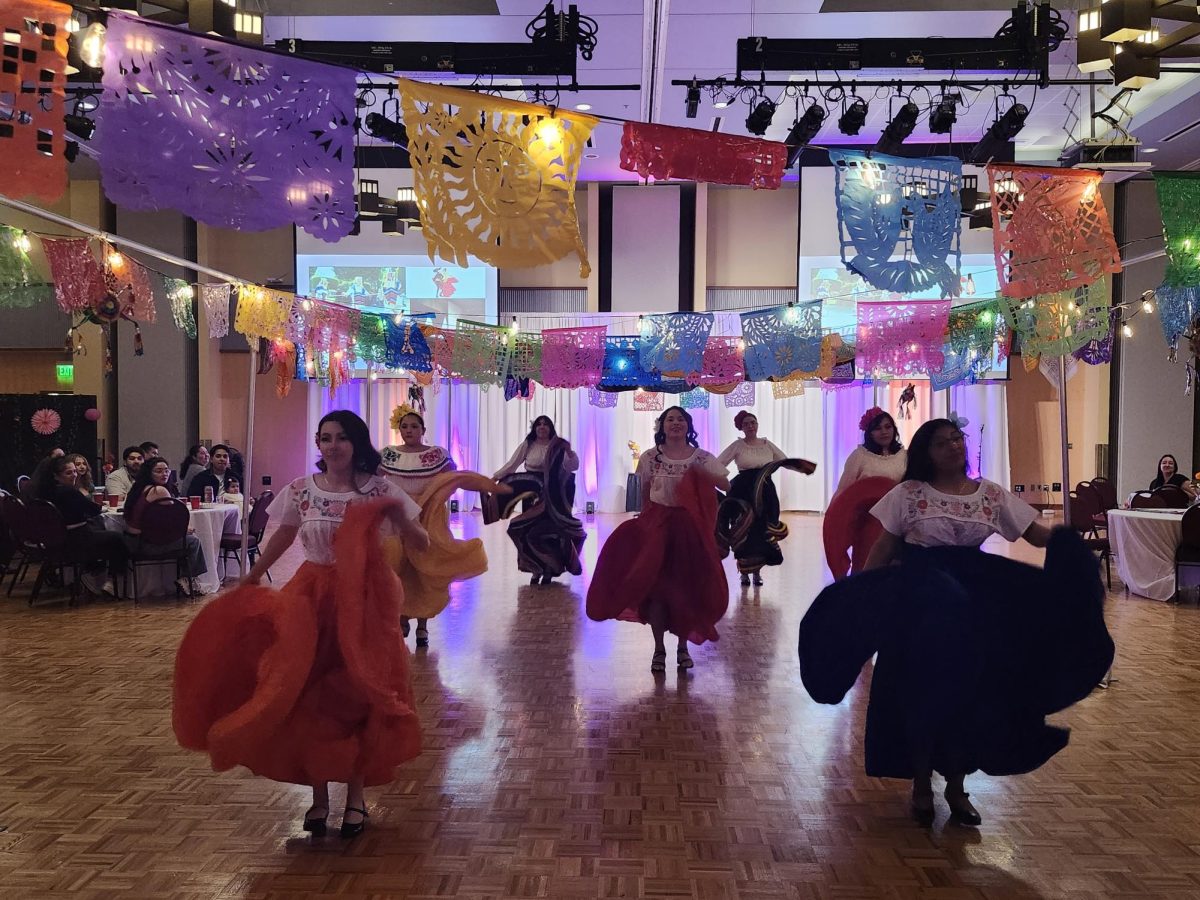
Traditional dances
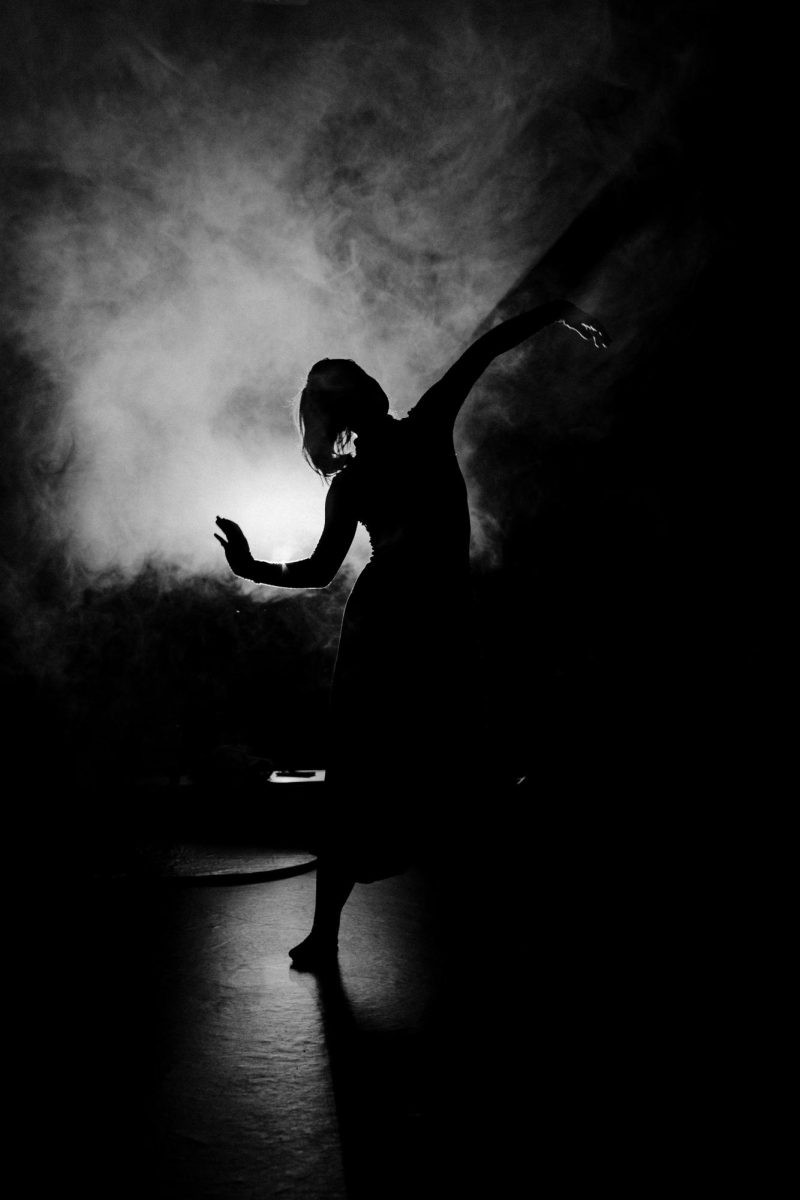
Corazon de Cultura featured several traditional dances, including Inga Toro Mata, Folklorico and Cumbia Texicana. For more information about the Folklorico and Cumbia Texicana dances, see The Observer’s coverage on earlier events this school year that featured those dances, including Dia de los Muertos and Parade of Nations.
MEChA Coordinator Cris Veloz, one of the Inga and Toro Mata dancers, said he first learned about the dance from Daniela Rojas, last year’s gender identity and sexuality chair for MEChA.
“[Daniela Rojas] was one of the main reasons I joined MEChA and she showed us the excitement and joy of Peruvian dances known as Festejo,” Veloz said. “We performed two, one new this year, which is called Toro Mata. I wanted to pay tribute to her and also the Peruvian culture by showcasing one of those performances as well as one that we did last year, Inga. They’re meant to capture the joy of the abolition of slavery in 1854 in Peru.”
Musical games
The MEChA board members, who organized Corazon de Cultura, recognized the importance of dancing in Latin American culture. So, they chose 10 volunteers to play a game that involved a famous Mexican dance called Clown of the Rodeo. The emcees eliminated people from the game whenever they made a mistake.
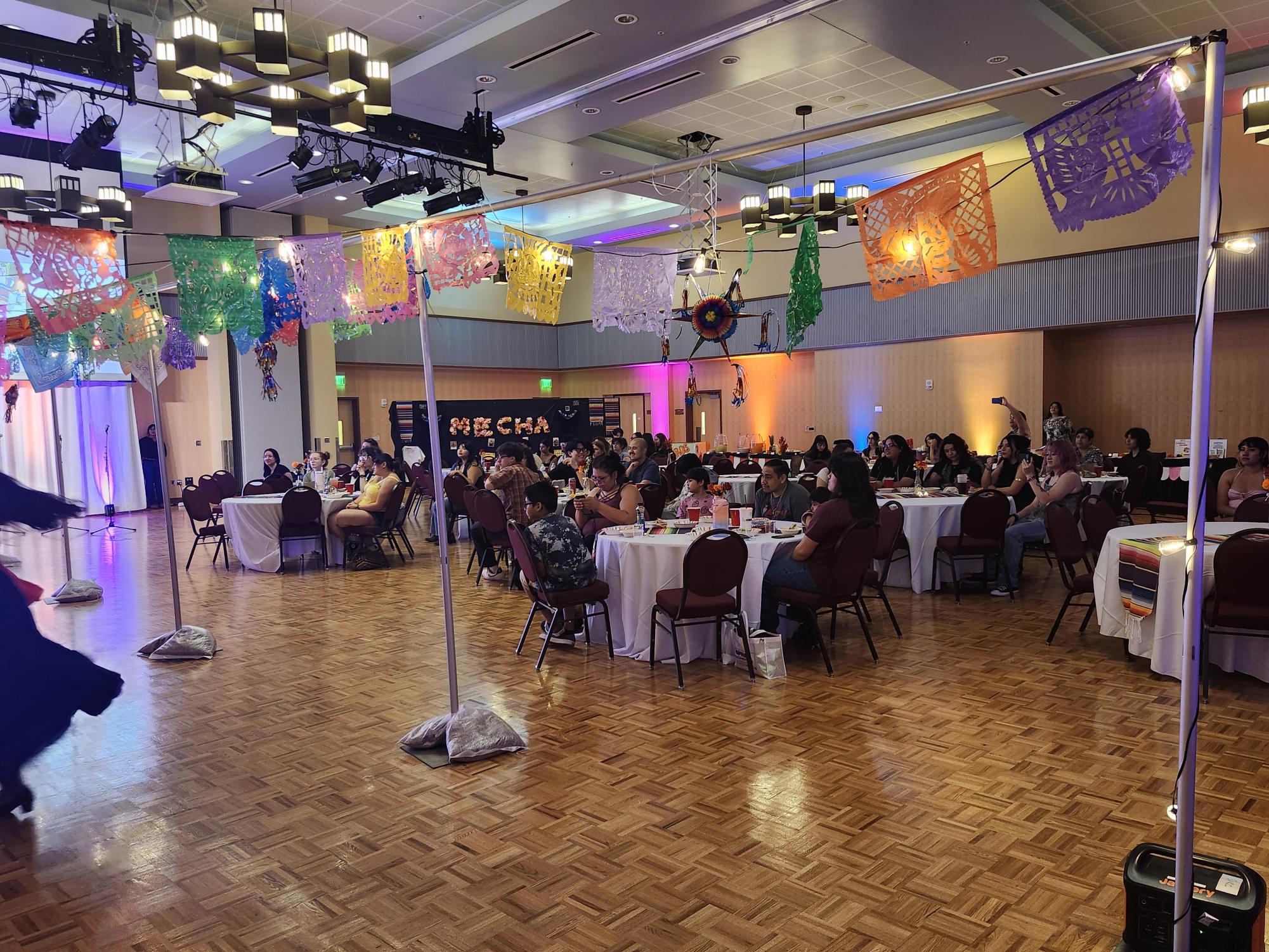
“It’s really simple to learn,” Veloz said. “The steps are right, left, back, straight, two steps to the right, two steps to the left, two steps back, two steps forward and turn. It’s a little bit complicated to explain, but a lot easier to demonstrate. It’s very fun. It tests your conditioning and tests your stamina and it’s really fun to see how long you can last in these dances.”
The Clown of the Rodeo contest was just one of several traditional Latin American games that attendees played at Corazon de Cultura.
MEChA Co-Chair Lesly Portugal said her favorite game that her guests played was Musical Chairs. “I think that’s a very important game that we played for tonight. It’s fighting for the chair and rhythm and music,” Portugal said. “I’m glad that people enjoyed it.”
Overall importance of music in culture
As shown via the dances and games featured in Corazon de Cultura, Portugal, Veloz and Equity Services Council (ESC) Representative Jose Milanes stated that music is an essential part of all cultures, not just that of Latin America.
“Music is the way we go through things,” Portugal said. “In Folklorico, those are stories being told. There was one that they did with the cow. Music is a way to tell stories, celebrate and just be there with the people.”
Veloz added that music breaks language barriers between different cultures. “You don’t have to speak Spanish to understand what it feels like to really immerse yourself in a song. You got to feel the rhythm. You got to feel the beat and really be present,” Veloz said. “It really sparks a feeling within yourself and also the people around you that you can really relate to. That’s why, in this event, nostalgia was one of the themes.”
“We included a lot of the songs that all of us heard growing up,” Veloz continued. “I thought it was really important to include those songs because it really brings back old memories that we all relate to … kickbacks that we all remember very, very well.”
The music at Corazon de Cultura reminded Milanes of a Spanish saying that translates to, “A Mexican is born whatever they want to be,” according to Milanes.
Light refreshments
Another cultural element featured at MEChA’s signature event was the light refreshments, prepared by CWU Dining. David Saucedo, the father of one of the Folklorico dancers, said the mangoes at the event surprised and delighted him.
“I was like, ‘Oh my God, there’s mango and melon water. Oh my god, I’m a sucker for those things,” Saucedo said. “It reminded me of Mexico, my culture, the food that they serve over there.”
Saucedo added that he also loved the nostalgia he felt from eating the pineapple and jicama at the event.
David Saucedo’s unexpected victory
The MEChA board also hosted an Equal Opportunity Draw, during which if the emcee drew an attendee’s name out of a hat, that attendee won a Lego set. Saucedo said his favorite part of the event was winning the Equal Opportunity Draw.
“I like to collect stuff. Lego sets are one of my collections for my house,” Saucedo said. “I didn’t know it was going to be a car. Normally, it’s basically about stuff that you find at Walmart just to pass the time and use your imagination. But this is a car.”
Emily Gonzalez’s reactions
MEChA Historian Emily Gonzalez said she felt proud of how well her team planned and executed their signature event this year.
“The whole planning process was really fun and I feel like it really made us closer to each other because we got to spend a lot of time, mostly this past month,” Gonzalez said. “Almost every single day, we see each other in one way or another, but I think that’s what really brought us more together.”