Meisner is an amazing word with so many different meanings, many of which require lots of research to uncover. It is most commonly used as an occupational and locational German surname and has many different spellings, including, but not limited to, Meisner, Meissner, Misner, Mysner, Misener, Meysnere and Mizner.
Meissner is the most common variant of the surname. Locationally, it derives from the town of Meissen in Saxony, Germany, where the original bearers of the name lived. Therefore, Meisner/Meissner is a habitual name connected to the Saxony region.
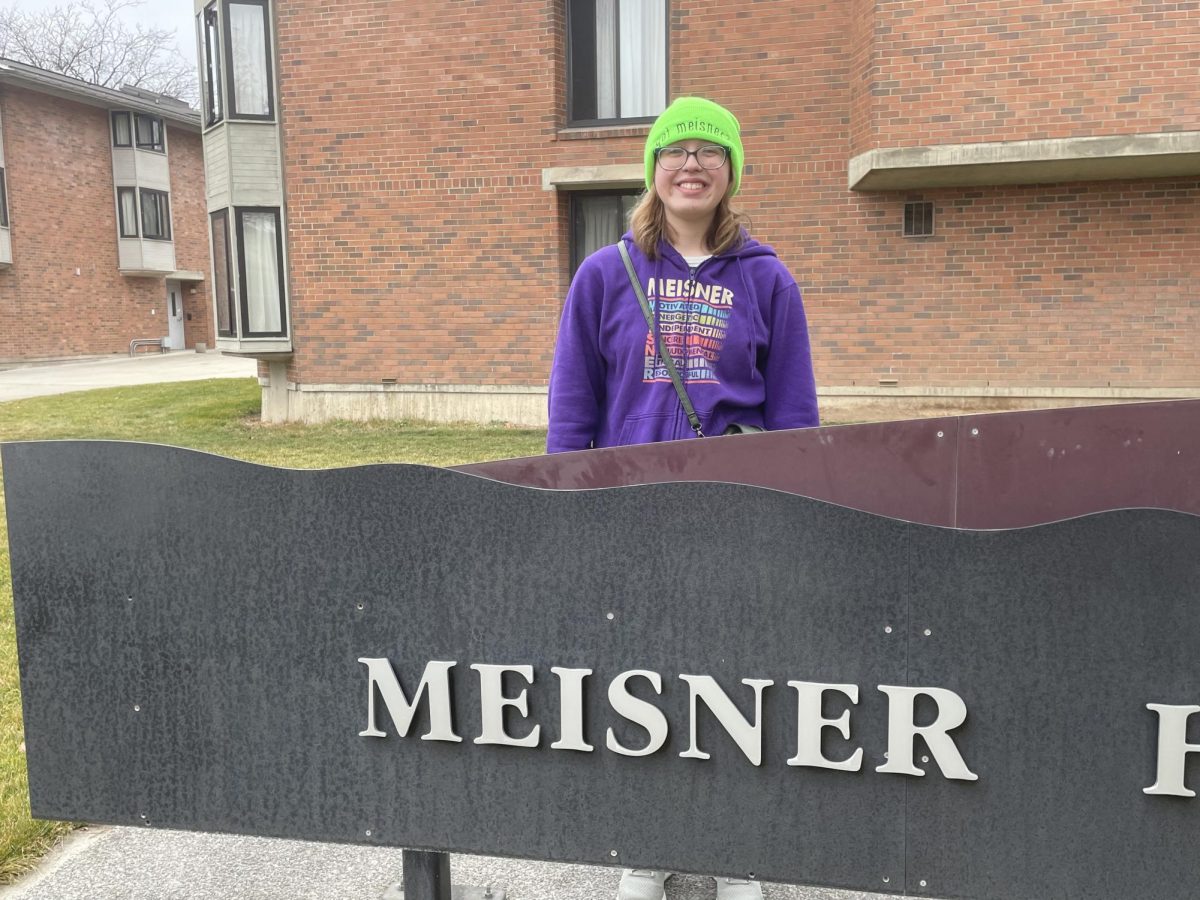
The Middle High German word “meisner” means cutler or knifemaker. Some sources suggest that Meisner is a term of endearment for someone small in stature or lively and youthful in energy and personality. That description perfectly defines me. I am a 21-year-old 5-foot-2 woman who has the energy of a 12-year-old and a lively disposition.
The surname, Meisner, has been recorded in German-speaking regions since at least the late 1200s, the first known bearer being Hermannus Meysnere. Ever since then, several Meisners and Meissners have become famous for their unique inventions.
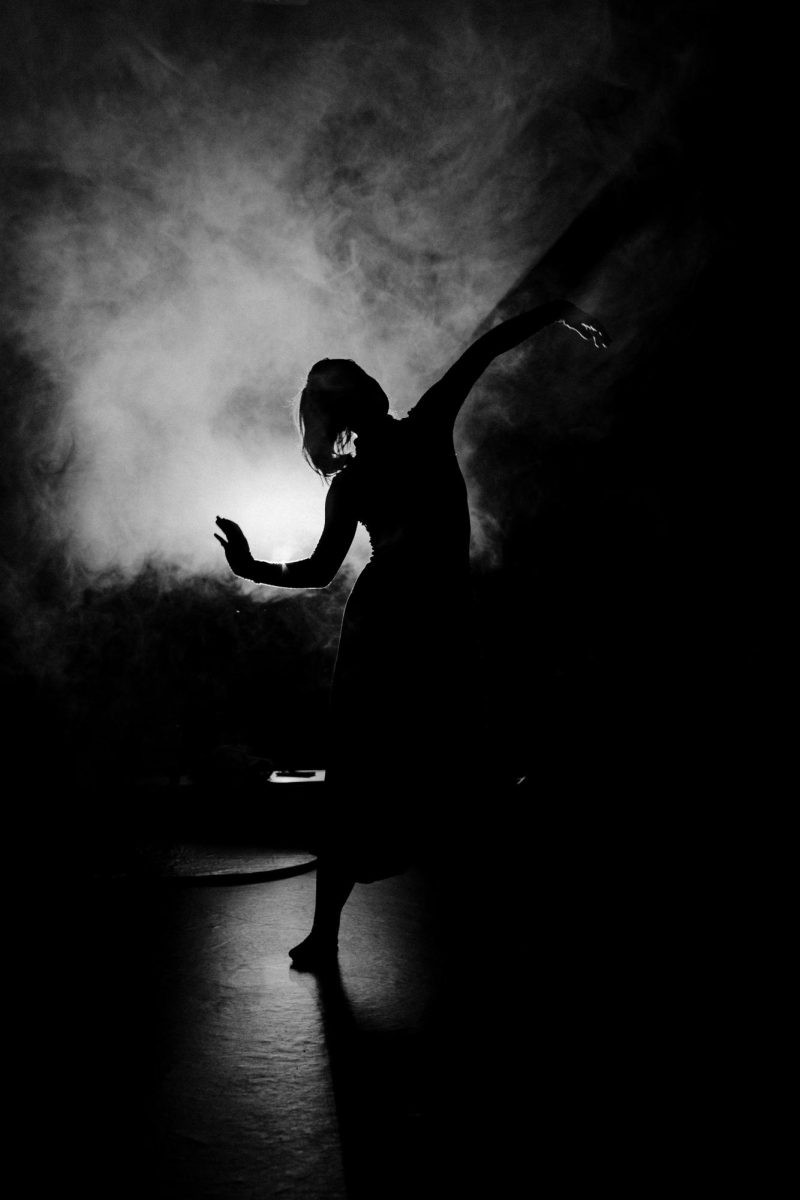
Probably the most famous Meisner is the inventor of an acting technique that centers on truthful and spontaneous performances. The Meisner Technique focuses on three primary tenets–emotional preparation, repetition and improvisation. Under this method, Sanford Meisner helps actors stay present in the moment and engaged with their scene partners instead of relying solely on memorization or rehearsed lines.
“Your acting will not be good until it is only yours,” Sanford Meisner famously stated. “That’s true of music, acting, anything creative. You work until finally nobody is acting like you.”
Sanford Meisner’s principles can easily be applied to my major, which is Communications with a focus on Journalism. I have noticed that many communications classes teach active listening, feedback loops, nonverbal signaling and conversational responsiveness, all of which Sanford Meisner emphasized in his career as an acting coach.
For example, Sanford Meisner’s famous repetition exercise teaches future actors and other public speakers to notice subtle behavioral changes, respond honestly, refrain from planning responses and track shifts in tone, posture, timing and emotion. These factors demonstrate the communication theory concepts of turn-taking, conversational adaptation, immediacy and relational feedback.
Julia Meissner is one of my favorite singers of all time. Not only does she perform covers of the most difficult songs for an English-speaking woman to sing, but she also works as a vocal coach in Konigswinter, Germany.
Her cover of “Child of Mine” by Deep Purple is jaw-dropping. Julia Meissner sings her low, medium and high notes all equally powerfully. Her vocal range is so amazing.
Another talented musician is Stan Meissner, who was important to the overall musical culture of Toronto, Canada, during his time in the 1980s and 1990s. His song “River of Fire” provides great imagery of a stressful experience that Stan Meissner had at the time. I love how the key goes up and down between the verses and the chorus. These key changes intensify the metaphor of fire as it represents emotional turmoil, longing and desire.
Join my informal Meisner committee. It is a place for Meisner enthusiasts to come together and casually do Meisner things.
If your first or last name is Meisner–or any other spelling of the name–you can comment and feel free to connect with me. I have been seeking connections with other real-life Meisners for quite some time now.