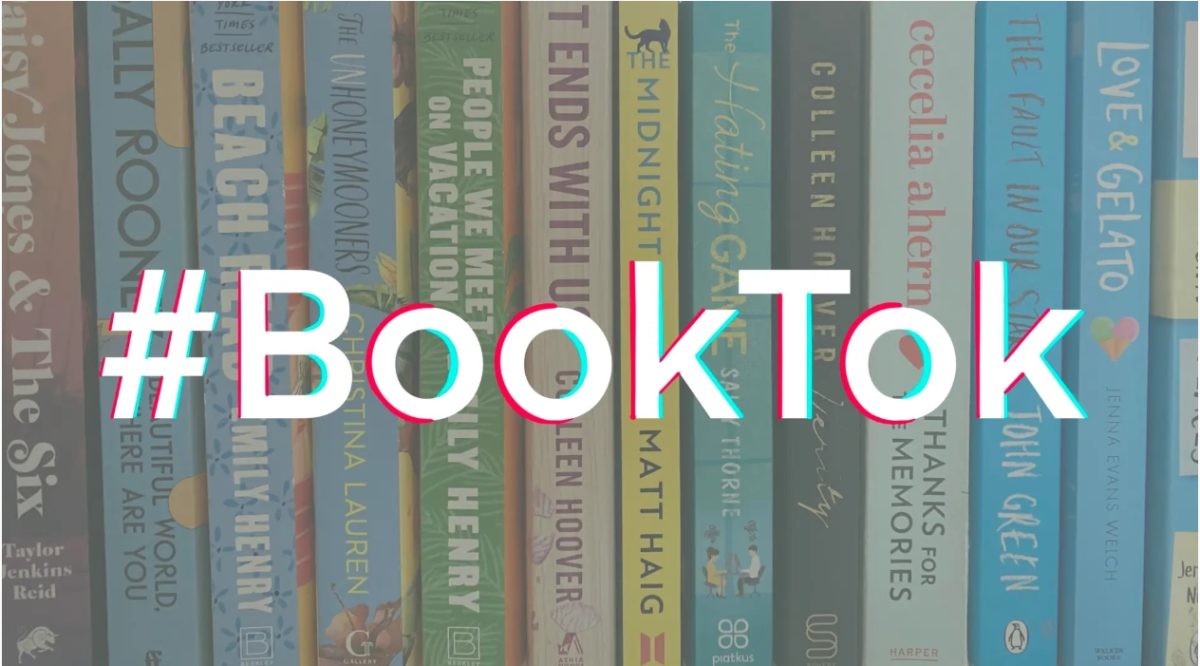
What started in 2019 as a pair of playful online communities for sharing book recommendations–Bookstagram and Booktok—has evolved into a battleground over taste, status and performance of being a reader. Today, shelves are curated, trendy covers are prioritized and reading challenges often overshadow the deeper purpose of reading, as lifestyle branding begins to redefine what it means to be “well-read”
A “performative reading list” is a relatively new cultural term, but it has quickly become central to conversation about how readers connect, or fail to connect, with books. Over the past year or two, the phrase has gained significant traction as online reading culture shifts toward a more aesthetic, image-driven approach.
Popular posts like To Be Read (TBR) stacks, monthly wrap-ups and “books that make you look smart” now function less as genuine recommendations and more as tools for branding an identity. In this new era, reading becomes a public performance, and the meaning of being “well-read” is increasingly shaped by consumerism and curated presentation rather than genuine intellectual engagement.
For most of history, reading was a private act; it had been something done quietly, without showcasing which authors you preferred or which genres filled your free time. Although today, performative reading and lifestyle branding has reshaped that relationship.
Reading has become a social performance, a way to project sophistication and align with trends signaling intellectual credibility, and claim belonging within certain online communities.
As a result, the priorities of reading culture have shifted. Visibility now outweighs understanding, aesthetic value eclipses intellectual depth, social signaling replaced personal engagement and trend participation often takes precedence over genuine critical thinking.
Senior Lecturer Xavier Cavazos described the shift bluntly, “The digital age is dominant.” For him, reading has always been “a solitary act, almost a meditative act, where you are with yourself, by yourself and therefore able to engage in the story.”
But that kind of private, personal enjoyment is becoming harder to find. What was once a quiet hobby is increasingly turning into a tailored performance reading not for immersion, but for display.
As social pressures and online aesthetics continue to shape reading culture, the act of reading risks becoming less about genuine connection and more about maintaining a decorative identity shaped by digital and public anxieties. The quick bursts of gratification that social media provides are also taking a toll on students’ attention spans, making it harder for many to sit with a story long enough to see themselves in its conflicts, themes or emotional stakes.
Cavazos raised a central question for students: “How do they see themselves within the works, the conflicts, the tension and yearning that some of the protagonists may have?” He noted that in large group settings, whether in a classroom or online, dominant voices often steer the conversation, leaving quieter students with fewer opportunities to explore their own interpretations.
That loss of individual questioning, he suggests, is one of the most important yet overlooked consequences of today’s performance-driven reading culture.